🌡️Loading conditions… 💨Wind — 🌊Surf — 🌊Tide — 🌅— 🌙— 🕐--:--

🔍 Sammy Quick Search — businesses & events
🎙️ Listening…

Breaking
◆Loading today's Palm Coast news…
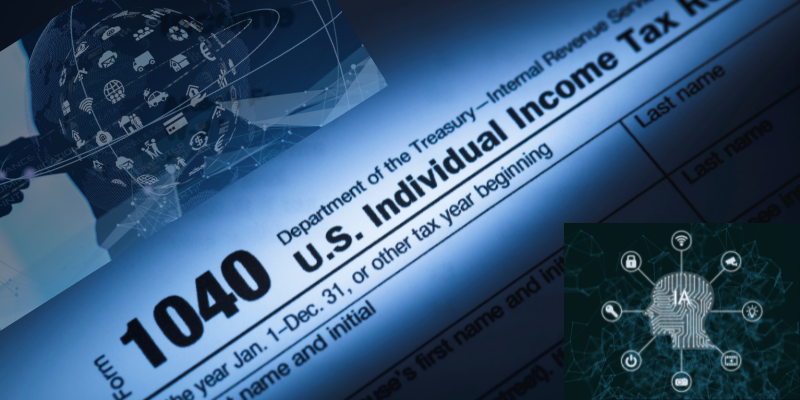
Imagine a world where tax agencies no longer rely on self-reported income but instead use AI-powered cross-referencing to determine what you actually earn based on your spending habits, social media activity, and bank transactions.
Let’s walk through a scenario where this kind of AI-driven tax system is in place and what it would mean for everyday taxpayers.
The government has implemented a sophisticated AI taxation system capable of analyzing vast amounts of financial data. Here’s how it functions:
Bank Transactions Analysis – AI scans all purchases, withdrawals, and deposits in personal bank accounts, looking for spending patterns inconsistent with reported income.
Credit Card and Payment Apps – Venmo, PayPal, and other payment services are tracked to see how much money is flowing in and out.
Social Media Activity – AI scrapes posts for evidence of major purchases, vacations, or lifestyle upgrades, then cross-references them with reported income.
Retail and Online Purchases – Large transactions for cars, jewelry, or electronics are flagged if they don’t align with declared earnings.
Property and Assets – Real estate records, car ownership, and even home improvement projects are analyzed for signs of unreported wealth.
John is a marketing manager earning $80,000 a year. He files his taxes, claiming a standard salary with minimal deductions.
But the AI sees something different:
The AI flags John’s file for audit. The IRS sends him a letter demanding documentation for his lifestyle expenditures. John panics—he didn’t intentionally evade taxes, but he also didn’t think his side hustle income or his wife’s online sales were substantial enough to report.
Suddenly, John owes thousands in back taxes, interest, and penalties.
✅ Self-Employed Workers & Side Hustlers – Gig workers, freelancers, and small business owners would have little room for unreported cash income or informal side jobs. AI would track every deposit.
✅ Social Media Users – Posting about a new car, luxury watch, or extravagant trip? The AI could cross-check purchases with declared income to flag potential tax evasion.
✅ People Who Use Multiple Payment Platforms – If you receive money through Venmo, PayPal, Zelle, or crypto, the AI would aggregate transactions and compare them to your tax return.
✅ Anyone Living Above Their Declared Means – If your reported salary doesn’t match your spending, you could be automatically flagged for an audit.
Proponents argue that an AI-driven tax system would eliminate tax fraud, ensuring that everyone pays their fair share. With billions in unpaid taxes each year, supporters claim this technology could close loopholes and catch high-income earners who hide wealth through creative accounting or unreported earnings.
But critics warn that this system goes far beyond tax enforcement—it becomes a government surveillance tool, tracking every transaction, every purchase, and even your social media posts.

Add comment