
"Bringing Community and Businesses together"
Listening…
Currently searching businesses · ALICE AI search coming soon
ALICE — your Palm Coast AI guide — is almost here
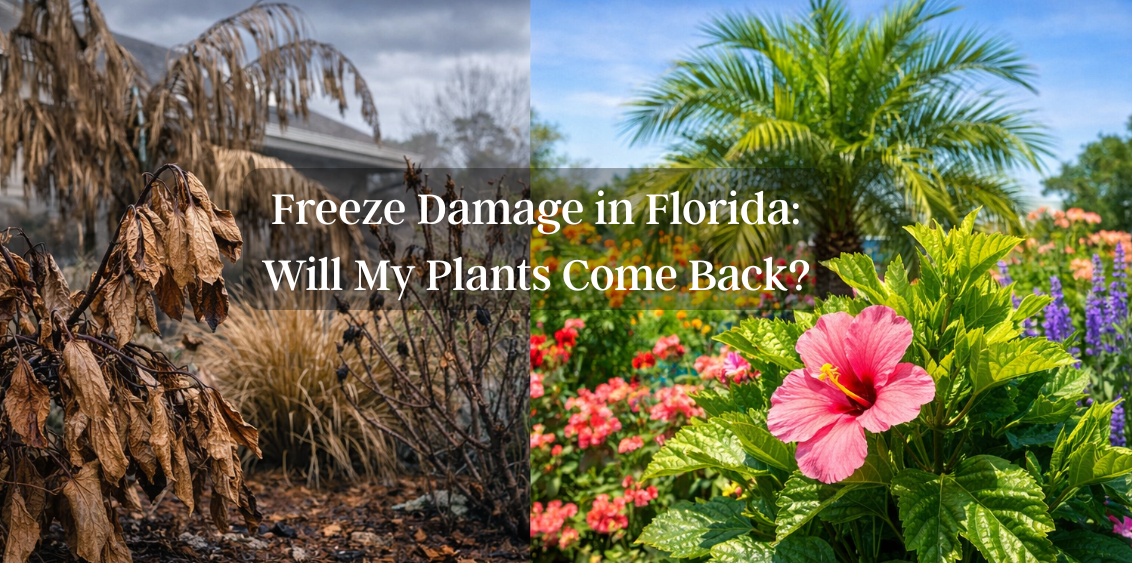
After two rounds of extreme freezing temperatures below 30°F in January and again in February, many homeowners across Palm Coast and Flagler County are now seeing brown leaves, wilted flowers, and shrubs that appear completely lifeless.
After two rounds of extreme freezing temperatures below 30°F in January and again in February, many homeowners across Palm Coast and Flagler County are now seeing brown leaves, wilted flowers, and shrubs that appear completely lifeless. While some plants may recover once temperatures stabilize, others — especially tropical varieties — often suffer visible damage after prolonged exposure to freezing conditions.
Before removing anything, it is important to understand which plants are most vulnerable, which may rebound in spring, and how to make smart planting decisions moving forward.
Tropical and semi-tropical plants are typically the first to show signs of stress after temperatures drop below freezing. In many cases, the top growth may appear burned or mushy, even if the root system survives.
Plants in your garden that are most likely to show freeze damage include:
Crotons
Hibiscus (especially tropical varieties)
Bougainvillea
Areca palms
Majesty palms
Bird of Paradise
Ti plants (Cordyline)
Tropical ferns
Impatiens
Coleus
Young vegetable seedlings such as peppers, tomatoes, and basil
These plants are not built for sustained freezing temperatures and often respond with leaf drop, blackened stems, or complete dieback above the soil line.
Not every brown or wilted plant is dead. Many established plants in Palm Coast landscapes can recover once consistent warmer temperatures return. Freeze damage often affects only the top growth, while the roots remain alive beneath the soil.
Plants that commonly recover in Northeast Florida include:
Firebush
Ixora (light freezes may only burn foliage)
Oleander
Bottlebrush
Lantana
Gardenias
Azaleas
Established palms with minor frond burn
Ornamental grasses
Knock Out roses
Even if leaves have turned brown or dropped completely, these plants may push new growth from the base or from protected stems once spring temperatures stabilize.
Before cutting anything back, try these simple checks:
Perform a scratch test by gently scraping a small section of stem. Green underneath indicates life.
Check the base of the plant for new shoots emerging from the soil line.
Look for swelling buds along stems.
Avoid aggressive pruning until the risk of frost has passed.
Patience during late winter often prevents unnecessary removal.
As temperatures begin to stabilize, late winter and early spring are ideal times to replant. Choosing hardy flowers and climate-appropriate varieties can help your garden recover while supporting pollinators that depend on early blooms for survival.
In Northeast Florida’s Zone 9b climate, consider planting:
Marigolds
Pentas
Salvia
Milkweed
Zinnias
Coreopsis
Lantana
Snapdragons
Tomatoes and peppers once frost danger has passed
These varieties tolerate mild spring fluctuations and help restore color as landscapes rebound from freeze stress.
One of the easiest ways to rebuild after freeze damage is by planting flowers that naturally reseed. These plants drop seeds at the end of their bloom cycle and often return season after season with minimal effort.
They also provide essential nectar and habitat for bees, butterflies, and hummingbirds emerging in early spring.
Strong reseeding options for Palm Coast gardens include:
Verbena
Coreopsis
Zinnias
Gaillardia (Blanket Flower)
Milkweed
Sweet Alyssum
Planting pollinator-friendly flowers not only restores beauty to your landscape but also strengthens the local ecosystem following a season of environmental stress.
Florida gardening is beautiful but comes with seasonal challenges. As you replace damaged plants or redesign flower beds, consider planning beyond this year.
This winter demonstrated that temperatures below 30°F can occur in Palm Coast. When selecting new plants, consider whether they can tolerate occasional cold snaps. Choosing cold-hardy or native varieties may reduce replacement costs in future winters.
Ask yourself:
Is this plant suitable for Zone 9b?
Can it tolerate brief freezing temperatures?
Will I need to protect it each winter?
Living near the coast means preparing for more than winter weather. Strong winds, heavy rain, and occasional salt exposure can stress delicate plants.
Consider:
Wind tolerance
Flexible stems versus brittle branches
Salt tolerance if you live closer to the ocean
Root strength and drainage
Plants that withstand both cold snaps and storm season provide long-term stability.
Florida’s climate alternates between heavy rain and dry periods. When choosing new landscaping, think about drought tolerance, irrigation needs, sandy soil compatibility, and overall maintenance requirements. Climate-appropriate plants typically perform better and require less intervention.
Many established plants can recover after short freezes. While foliage may appear damaged, root systems often remain viable. Wait for consistent warmer temperatures and check stems for green tissue before removing plants.
Wait until the risk of additional frost has passed and new growth begins to appear. In Palm Coast and Flagler County, this is often late February through March. Pruning too early can expose tender growth to additional cold damage.
A plant may be ready for removal if stems are brittle and brown throughout, no green tissue appears during a scratch test, the base shows no new shoots after several weeks of warm weather, and the root ball appears soft or rotted. If no regrowth occurs by mid-spring, replacement may be appropriate.
Northeast Florida sits in USDA Zone 9b, where occasional winter freezes can occur. Many tropical-looking plants may suffer cosmetic damage but recover in spring. Waiting before removing plants and choosing cold-tolerant or native varieties can prevent unnecessary replanting.
Cold-tolerant flowering shrubs suitable for Zone 9b include Indian Hawthorn, Azaleas, Gardenias, Bottlebrush, Firebush, Viburnum, Loropetalum, and Camellias. These shrubs provide seasonal color while handling mild winters and occasional freezes better than many tropical plants.
Although January and February’s freezing temperatures left many landscapes looking stressed, freeze damage in Palm Coast is often temporary. Established root systems frequently rebound once spring warmth returns.
Before removing shrubs or replanting beds, assess carefully and allow time for recovery. Many plants that appear lifeless in late winter begin pushing new growth as temperatures stabilize.
For those refreshing their gardens, early spring offers an opportunity to select hardy flowers, resilient shrubs, and pollinator-friendly varieties that support bees, butterflies, and hummingbirds throughout the season.
Gardening in Northeast Florida may include occasional winter surprises, but with thoughtful plant selection and patience, spring renewal is always within reach.
Add comment