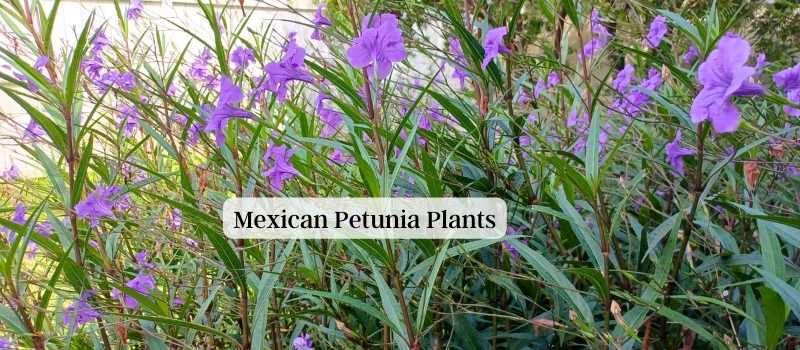
One of the easiest and most rewarding plants for Palm Coast gardens is also one of the most beautiful. This Florida-friendly showoff plant thrives in Flagler County heat and humidity with minimal care, producing stunning blooms that impress neighbors and attract pollinators. Perfect for Palm Coast homeowners who want a gorgeous garden without the hard work.
🌸 Mexican Petunias: A Beautiful Plant With a Little Secret
A Friendly Tip from ALICE
Hi neighbor! ALICE here. If you’ve spent any time gardening in Florida, you may have noticed the lovely purple blooms of the Mexican Petunia. They’re bright, cheerful, and they seem to grow almost anywhere. Along roadsides, near ponds, and in backyard gardens, their trumpet-shaped flowers add a splash of color that many gardeners enjoy.
But Mexican Petunias have a little secret every Florida gardener should know.
🌿 They Travel Underground
Mexican Petunias spread in two ways. First, they drop seeds that can travel with wind and water. But the bigger reason they spread so quickly is something happening beneath the soil.
These plants grow through rhizomes, which are underground stems that slowly creep through the soil. As the rhizomes spread outward, new shoots pop up from the ground, sometimes several feet away from the original plant.
That means a small patch can quietly grow larger each season, often appearing in places you didn’t plant them.
🌼 Why That Matters in Florida
Because Mexican Petunias spread so easily through seeds and rhizomes, they can sometimes move into natural areas and crowd out native plants. Native plants are important because they support butterflies, bees, and birds that depend on them for food and shelter.
When non-native plants spread too aggressively, they can reduce the diversity of plants that wildlife needs.
🌸 A Good Solution for Gardeners
The good news is that plant growers have developed sterile varieties of Mexican Petunias. These varieties produce the same beautiful flowers but do not spread as aggressively.
Garden centers across Florida often carry these improved varieties, making them a better choice for home landscapes.
🦋 Native Plants Welcome Wildlife
If you’d like to create a garden that truly supports local wildlife, consider mixing in some native flowering plants such as:
• Coreopsis (Florida’s state wildflower)
• Blanket Flower
• Sunshine Mimosa
• Frogfruit
These plants are perfectly suited to Florida’s climate and provide nectar for butterflies and bees.
🌎 Gardening With Nature in Mind
One of the wonderful things about living in Palm Coast is the natural beauty that surrounds us. By choosing plants thoughtfully, we can enjoy colorful gardens while also protecting the environment that makes this area so special.
🌿 ALICE’s Friendly Suggestion
If you already have Mexican Petunias in your yard, just keep an eye on how they spread. Their underground rhizomes can slowly expand the patch each year.
When planting new flowers, you might consider the sterile varieties or add a few native plants that support pollinators and wildlife.
A thoughtful garden helps butterflies, supports birds, and keeps our beautiful Florida environment thriving.
And if you ever have questions about local plants, parks, or gardening around Palm Coast, just ask.
I’m always happy to help.
— ALICE 🌿 Your Palm Coast Guide